


Spray Foam Insulation
There are two primary types of spray foam insulation: open-cell and closed-cell foam, each offering unique performance benefits. Open-cell spray foam is lighter and more flexible, expanding to fill gaps and helping reduce air movement while providing sound-dampening qualities and effective thermal performance. Closed-cell spray foam is denser and more rigid, offering higher insulation value per inch, added structural strength, and enhanced resistance to moisture. Both types help homes retain heat during cooler months and reject heat during warmer months while supporting improved comfort and overall energy efficiency when installed in the appropriate areas of the home.

Foam Insulation Install Process
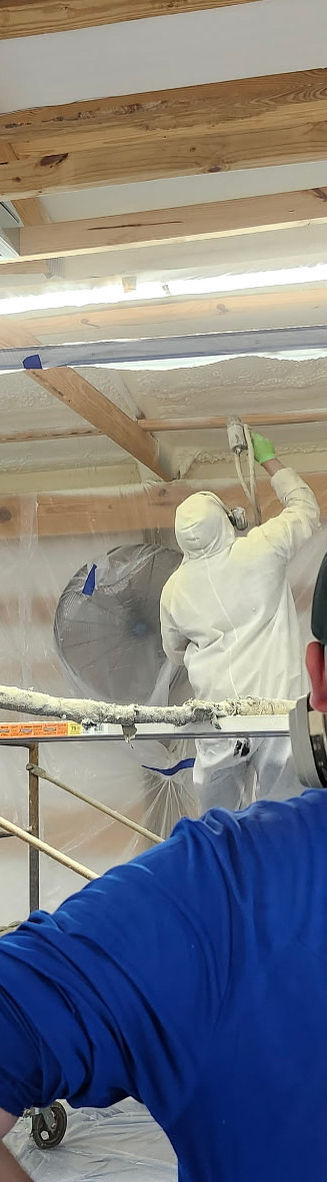
Our spray foam insulation installation process begins with a detailed evaluation of the space to determine the best foam type, thickness, and coverage needed to meet your home’s comfort and performance goals. Before installation, we carefully prepare the area by protecting surfaces, isolating the workspace, and ensuring proper ventilation and safety procedures are in place. Our trained technicians then apply the spray foam using professional equipment, allowing it to expand and seal gaps, cracks, and cavities to help your home retain heat during cooler months and reject heat during warmer months. After installation, we inspect coverage, trim excess material if needed, and complete a thorough cleanup to ensure a safe, efficient, and high-quality finished result.
Spray Foam Insulation — Frequently Asked Questions
What is spray foam insulation?
Spray foam insulation is a material that expands after application to seal gaps and create a continuous insulating layer. It helps your home retain heat in cooler months and reject heat in warmer months while also reducing unwanted air movement through the structure.
What’s the difference between open-cell and closed-cell spray foam?
Open-cell foam
-
Softer and lighter
-
Excellent for interior sound reduction
-
Expands more to fill cavities
Closed-cell foam
-
Dense and rigid
-
Adds structural strength
-
Provides higher insulation value per inch
-
Resists moisture penetration
Your technician will recommend the right type based on the area being insulated.
Will spray foam lower my energy bills?
Spray foam can significantly improve efficiency because it both insulates and seals air gaps at the same time. Homes with major air leakage often notice improved comfort and more stable indoor temperatures after installation.
Is spray foam safe for my home and family?
Yes, when professionally installed. During installation the area must be properly prepared and ventilated, and installers follow safety procedures. Once cured, spray foam becomes stable and inert.
(Important trust builder — keep this simple and calm.)
How long does spray foam installation take?
Most residential spray foam projects take one day, depending on the size of the area and preparation requirements.
Will I need to leave my home during installation?
For certain spray foam applications, temporary vacancy of the immediate work area (and sometimes the home) may be recommended during installation and curing. Your technician will explain this clearly beforehand so there are no surprises.
(CRITICAL question — prevents cancellation anxiety later.)
Can spray foam be installed over existing insulation?
Usually not. In most cases, existing insulation must be removed so the foam can bond directly to the surface and perform correctly.
Does spray foam replace the need for attic ventilation?
No. Proper attic airflow is still important for overall attic health. Spray foam is one part of the system, and a full inspection ensures insulation, airflow, and radiant protection are all working together.
(Perfectly reinforces your 3-pillar attic philosophy.)
How do I know if spray foam is right for my home?
The best way is through an attic inspection. Your technician will review insulation levels, airflow, structure, and moisture conditions before recommending whether spray foam is the right solution.
Conclusion
Spray foam works best when applied to the right areas for the right reasons.
An attic inspection helps determine whether spray foam, fiberglass, or another solution will perform best for your home.
It can take only a minute to schedule